
B2B Custom Apparel Manufacturing
Cut and Sew Streetwear Manufacturer
Eking Clothing supports cut and sew streetwear manufacturing when your collection needs a new garment pattern, different body proportions or custom construction, rather than only a logo on an existing blank.
Bring a tech pack, reference garment or marked images. We review fabric, measurements, panels, pockets, seams and trims, then use sample development and written revisions to define the production standard.
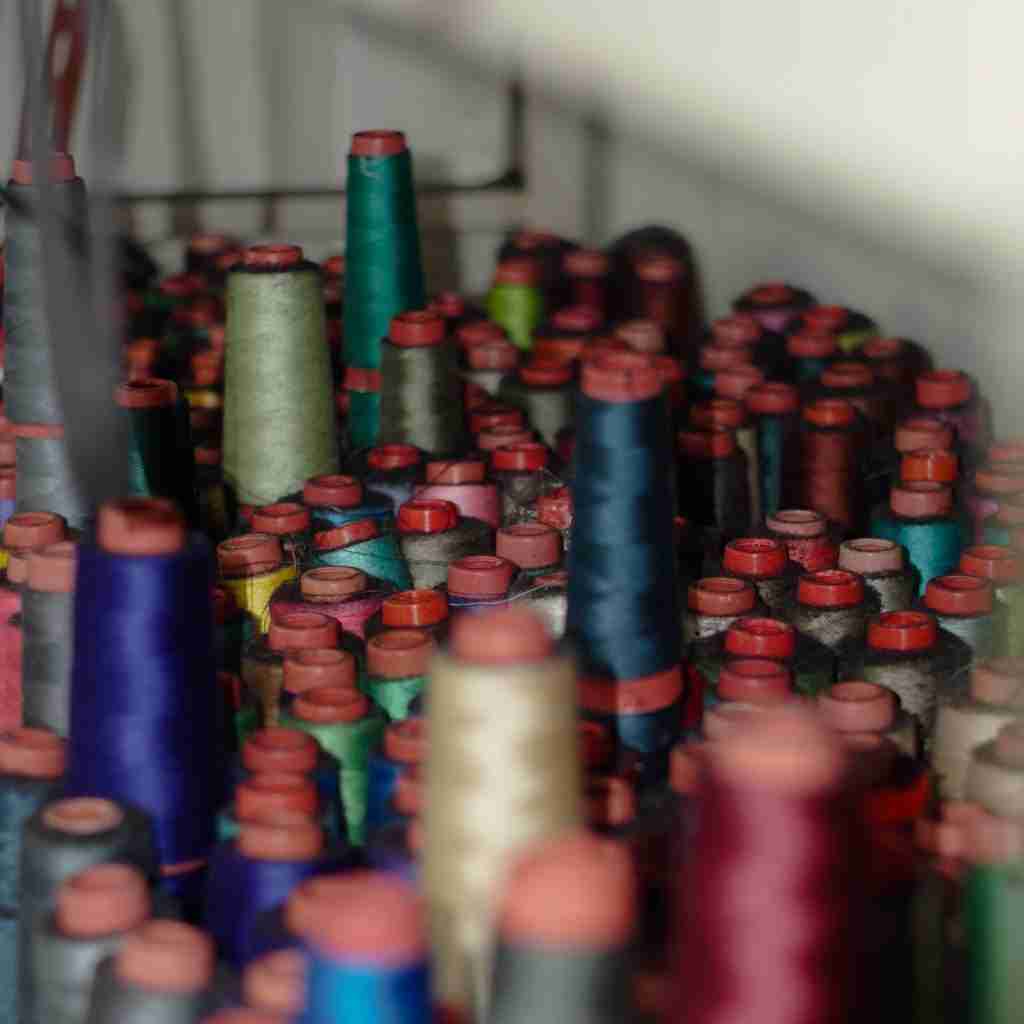
Custom Patterns and Garment Construction
Use cut-and-sew development for changes that a finished blank cannot provide. Identify the construction decisions for each garment before approving its sample.
- Body length, chest width, shoulder position and sleeve shape for T-shirts and hoodies
- Hood shape, rib dimensions, zipper length and pocket construction
- Rise, leg width, waistband, drawcord and pocket layout for pants and shorts
- Panel seams, hems, reinforcement and trim positions shown on the development brief
- Fabric and wash effects reviewed together with the intended fit
- Sample measurements and revision notes agreed before size grading and bulk approval
Fabric Options
Cut and sew development starts with matching fabric to the intended fit and construction. Heavyweight cotton, French terry, fleece, washed fabrics, rib and specialty materials can all change the final silhouette. Review common options on our fabric page.
Best for
Streetwear collections that need the right balance of hand feel, structure, decoration performance and commercial MOQ.
Explore Your Product
Compare custom hoodie development and custom T-shirt development, then discuss the material and construction that suit your collection.
Customization Options
Decoration and branding choices should match the fabric, artwork, order quantity and retail positioning of the product.
- custom pattern development
- screen print, puff print and embroidery
- applique, patches and trims
- garment washing and finishing
- custom neck labels, wash labels and hangtags
- branded packaging and polybags
Sample Development Process
Send Details
Share reference images, mockups, logo files, sample photos or a tech pack.
Confirm Plan
We review fabric, fit, decoration method, labels, packaging, MOQ and timeline.
Make Sample
A sample is made so you can check fit, hand feel, artwork placement and brand details.
Review
Sample comments are used to adjust measurements, construction, decoration or packaging.
Approve Bulk
Bulk production starts after the final sample direction is approved.
What to Confirm on Your Cut-and-Sew Sample
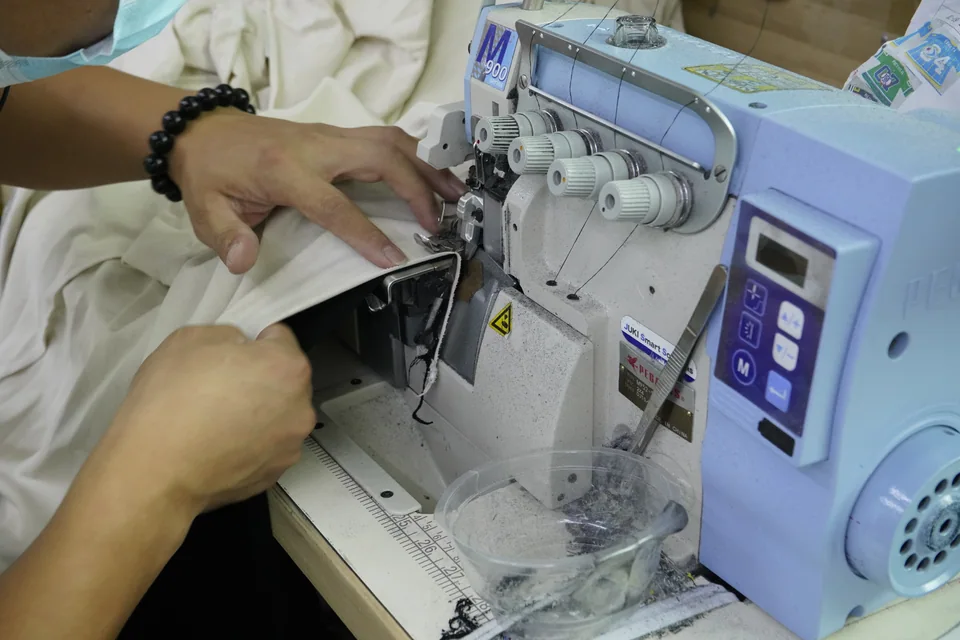
A reference image communicates the direction. A physical sample and written specifications define what the production team should make.
- Fit and measurements
- Record the sample size, key measurements, intended silhouette and requested size range. Agree how measurements will be checked.
- Fabric and construction
- Confirm the chosen material, seams, pockets, rib, hems and trims. Note any wash or finishing treatment that needs sample review.
- Decoration and branding
- Confirm artwork size and placement, technique, label positions and packing details against the approved sample.
- One clear approval record
- Combine revision notes and marked photos into a versioned record. Resolve changes before treating the sample as the bulk production reference.
Plan Your Development Sample and Order Breakdown
Preparing a first collection? Separate the sample you want to review now from the production quantities you may need later. A total collection quantity alone does not describe each garment, color or branding requirement.
Start with a Clear Sample Brief
Send your tech pack if you have one. Otherwise, share reference images and identify the details that matter: silhouette, sample size, key measurements, fabric direction, artwork placement and construction. Mark undecided details as open questions rather than treating a reference photo as a complete specification.
For a hoodie and pants outfit, describe both garments separately. A cropped zip hoodie and open-hem pants need different fit and construction checks. Review the hoodie development options and custom sweatpants options for the details relevant to each piece.
Ask for the proposed sample scope, cost, revision allowance, timing and delivery charges before commissioning development. Sample availability and terms need project-specific confirmation; requesting a prototype does not establish the minimum quantity for later production.
Show Quantities by Garment and Color
List each style, its colors and the quantity for each size. Keep T-shirts, hoodies and pants on separate lines, even when they belong to the same collection. Do not assume that their combined total meets the requirement for every item.
For tracksuits and matching top-and-pants sets, show garment quantities in pieces: list the tops and pants separately, then explain how they form your intended sets. Include any difference between the top and bottom size breakdowns.
Ask whether sizes or colors can be combined for your selected design. Fabric color, decoration, woven labels and other custom trims can have separate requirements. Confirm these conditions for the actual project rather than assuming that one general MOQ covers every choice.
Compare the Full Quotation, Not Only the Garment Price
For a useful comparison, request a clear breakdown of development and samples, garments, decoration, labels, packaging and shipping. Include the destination country and postcode, and ask which delivery terms and taxes are included or excluded. Confirm how specification changes or sample revisions affect the estimate and schedule.
If an existing garment already matches your required fit and fabric, review the ready-to-custom route before commissioning a new pattern. Selected stock availability, decoration suitability and trial-order conditions still need checking for the chosen style.
When you are ready, send your manufacturing inquiry with the information you have. If bulk quantities are not decided, state that clearly and separate your sample request from the possible production plan.
MOQ and Timeline
MOQ usually starts from 30-100 pcs/style, depending on fabric, color, trims, labels, packaging and customization method.
Sample time usually takes 7-14 days. Bulk production usually takes 16-25 days after sample approval, depending on order complexity.
These ranges are planning references. Final MOQ and timing should be confirmed after reviewing your actual design files and production requirements.
Quality Control
QC focuses on the details that affect customer experience, repeat orders and brand consistency.
- pattern accuracy and size grading
- fabric shrinkage and hand feel
- construction and seam strength
- decoration placement
- label and trim accuracy
- bulk measurement tolerance
Private Label Options
For brand-ready products, Eking Clothing can help prepare labels and packaging details that match your launch stage.
- neck labels
- wash labels
- size labels
- hangtags
- barcode stickers
- custom polybags
- packaging and carton marks
Cut-and-Sew or an Existing Garment?
Adding a logo or label does not by itself require a new garment pattern. Choose the route according to the changes your product needs.
Choose Cut-and-Sew for Original Construction
Use this route when an existing garment cannot provide the required fit, measurements, material or construction details. Allow for specification development and physical sample review.
Choose an Existing Style for Compatible Branding
If the existing fit and fabric already work, confirm available sizes, colors and suitable decoration or labels. Check the selected style’s requirements on our ready-to-custom apparel page.
Not sure which route fits your collection? Start with our custom streetwear manufacturing overview, then share the specific changes you need.
FAQ
What does cut and sew streetwear mean?
Cut and sew means the garment is developed from fabric, pattern and construction details instead of only printing on finished blank garments.
When do I need a new pattern instead of a blank garment?
Consider a new pattern when the required body proportions, hood, sleeves, pockets or panel seams are not available in an existing style. If the fit and fabric already work and only branding needs to change, compare the ready-to-custom route first.
Do I need a tech pack for cut and sew?
A tech pack is helpful, but you can start with reference images, mockups, sample garments and product notes. More detailed specifications are needed before final production.
What products can be cut and sew?
Common projects include hoodies, T-shirts, sweatpants, shorts, tracksuits, washed apparel and private label casualwear.
Can cut and sew products include private label packaging?
Yes. Cut and sew projects often include custom labels, hangtags, trims, barcode stickers, polybags and brand packaging.
Ready to develop your custom streetwear collection?
Start with your product idea and the details you have. A complete tech pack is not required for first contact. Share reference images or sample notes when available; fabric, fit, MOQ and timing will be reviewed for your project.