


Choosing the right custom hoodie manufacturer is one of the most important decisions for a clothing brand. A hoodie may look simple, but the final product depends on many details: fabric weight, fit, stitching, printing, embroidery, labels, packaging, sampling and bulk production quality.
For startup brands and growing streetwear labels, the right manufacturer should not only make the hoodie. They should help you understand fabric options, confirm your design, test the decoration method and control quality before bulk production.
This guide explains how to choose a custom hoodie manufacturer and what brands should check before placing an order.
Why Choosing the Right Custom Hoodie Manufacturer Matters
Hoodies are core products for many streetwear brands because they are easy to style, suitable for multiple seasons and offer many customization possibilities. A custom hoodie can include puff print, screen printing, embroidery, appliqué, washing effects, private labels and custom packaging.
However, hoodie production is also more complex than basic T-shirt production. A hoodie may include a hood structure, drawcord, rib cuffs, kangaroo pocket, zipper, lining, heavy fabric and large decoration areas. If the manufacturer does not control these details well, the final product may have problems such as poor fit, fabric shrinkage, print cracking, embroidery puckering or inconsistent sizing.
A professional custom hoodie manufacturer should help you turn a design idea into a reliable product that can be sampled, corrected and produced in bulk.
1. Check If the Manufacturer Understands Your Brand Direction
Before choosing a manufacturer, ask yourself what type of hoodie your brand wants to make.
Different hoodie projects may need different production approaches:
- Heavyweight streetwear hoodies
- Oversized pullover hoodies
- Zip-up hoodies
- Washed hoodies
- Puff print hoodies
- Embroidered hoodies
- Private label hoodies
- Matching hoodie and sweatpants sets
- Full custom cut and sew hoodies
- Ready-to-custom hoodie base styles
A good manufacturer should understand your target market and product direction. For example, a streetwear brand may care more about oversized fit, heavyweight fabric, puff print, garment wash and private label packaging. A sportswear brand may care more about performance fabric, lighter weight and movement comfort.
If your project is streetwear-focused, you can review our custom hoodie manufacturer service to understand common hoodie options, fabric choices, decoration methods and sample-to-bulk production support: https://ekingclothing.com/custom-hoodie-manufacturer/
2. Review Fabric Options Carefully
Fabric is one of the most important parts of a custom hoodie. It affects weight, structure, warmth, hand feel, print result, shrinkage and final product positioning.
Common hoodie fabric options include:
- French terry
- Fleece
- Brushed fleece
- Heavyweight cotton blend
- Cotton polyester blend
- Double-faced fabric
- Washed cotton fabric
- Rib fabric for cuffs and hem
For streetwear brands, heavyweight fabric is often preferred because it creates better structure and a more premium hand feel. However, heavier fabric is not always better. The right fabric depends on season, target price, fit, decoration method and customer expectations.
When choosing a manufacturer, ask whether they can explain:
- Fabric composition
- GSM or fabric weight
- Hand feel
- Shrinkage
- Color options
- Washing performance
- Print and embroidery suitability
- Bulk availability
You can also compare fabric options on our premium fabrics page: https://ekingclothing.com/fabric/
3. Confirm the Fit and Size Development Process
Hoodie fit is very important for brand identity. A small change in shoulder width, body length, sleeve length or rib tension can change the entire look.
Common hoodie fits include:
- Regular fit
- Oversized fit
- Boxy fit
- Drop shoulder fit
- Cropped fit
- Relaxed fit
- Zip-up fit
- Streetwear heavyweight fit
A reliable custom hoodie manufacturer should be able to work with your size chart, reference sample or tech pack. If you do not have a complete tech pack, the manufacturer should still be able to review your reference photos and help clarify key measurements before sampling.
Before bulk production, always check:
- Body length
- Chest width
- Shoulder width
- Sleeve length
- Hood shape
- Pocket placement
- Rib cuff and hem tension
- Zipper length if it is a zip-up hoodie
- Overall fit after washing or finishing
For startup brands, sample correction is especially important. Do not rush into bulk production before confirming the hoodie fit.
4. Ask About MOQ and Order Flexibility
MOQ is one of the biggest concerns for new clothing brands. Some factories only accept large orders, while startup brands often need smaller quantities for testing.
When talking to a custom hoodie manufacturer, ask clearly:
- What is the MOQ for hoodies?
- Is the MOQ different for different fabrics?
- Is the MOQ different for printing, embroidery or washing?
- Can I start with 30–50 pcs for selected base styles?
- Can I mix sizes and colors?
- Can I make a sample before bulk?
- Can I scale the same design into larger production later?
For low MOQ projects, the best approach may be ready-to-custom base styles. This allows a brand to start from selected hoodie base styles and customize logo, print, embroidery, labels and packaging before moving into larger orders.
For full custom cut and sew hoodies, MOQ may be higher because new fabric, pattern, trims and development work are involved.
5. Check Printing and Decoration Capabilities
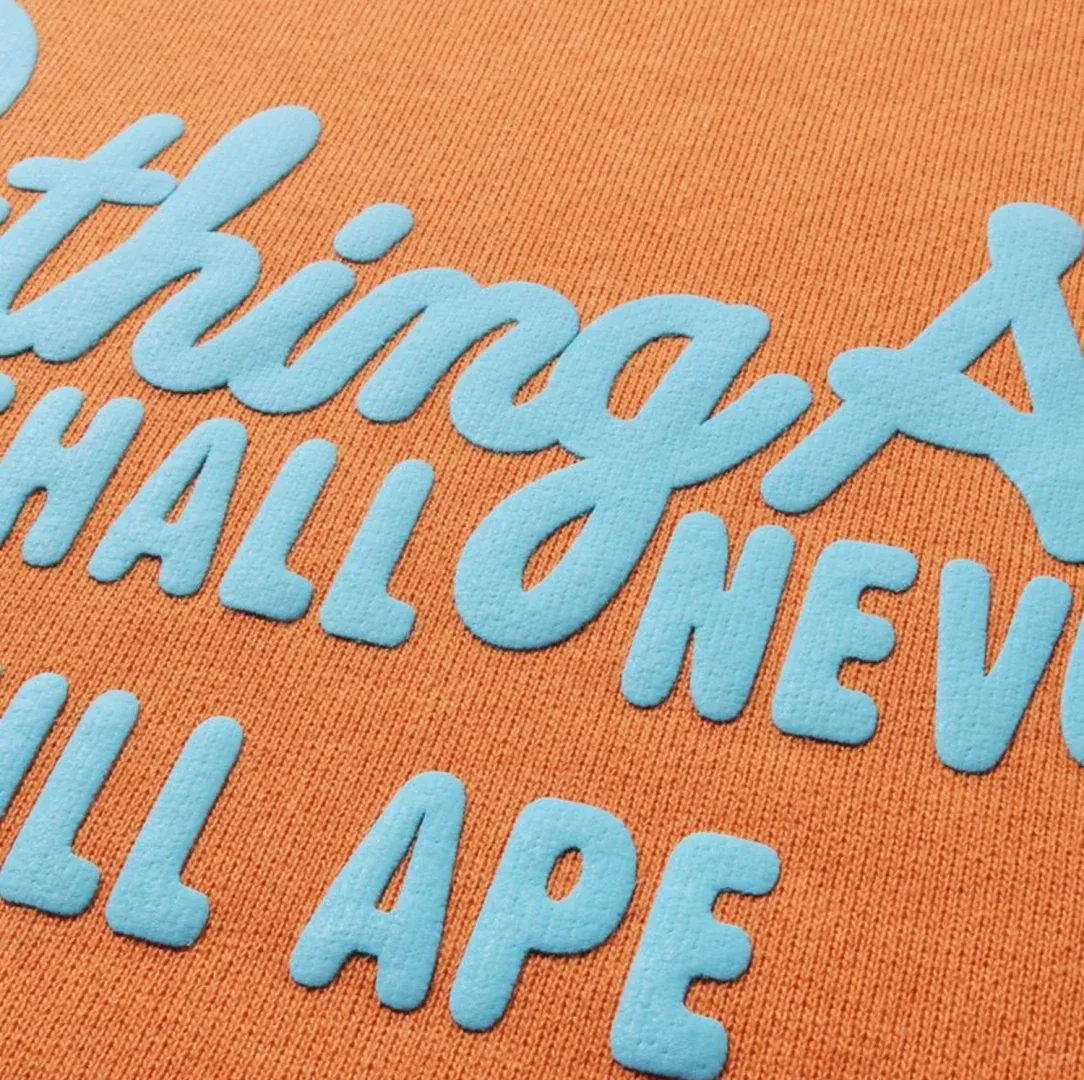

A hoodie is often customized with printing, embroidery or special decoration effects. The manufacturer should help you choose the right technique based on your artwork, fabric and quantity.
Common hoodie decoration methods include:
- Screen printing
- Puff print
- DTG printing
- DTF printing
- Standard embroidery
- Appliqué embroidery
- Chenille embroidery
- Distressed embroidery
- Rhinestone decoration
- Heat transfer
- Woven patches
- Garment wash effects
For example, puff print is popular for streetwear hoodies because it creates a raised logo effect. You can learn more about puff printing here: https://ekingclothing.com/technology/puff-printing/
Screen printing is suitable for bold graphics and bulk hoodie production: https://ekingclothing.com/technology/screen-printing/
Embroidery is suitable for premium logo details, patches and textured streetwear effects: https://ekingclothing.com/technology/embroidery/
Before production, your manufacturer should review the artwork and explain which technique is most suitable. A complex full-color design may not be suitable for the same method as a simple one-color logo. A large embroidery design may also require fabric testing to avoid puckering.
6. Make Sure Sampling Is Part of the Process
Sampling is not just about making one hoodie. It is the stage where the manufacturer checks fabric, fit, decoration, labels and production details before bulk.
A good sample process should include:
- Design and artwork review
- Fabric and trim confirmation
- Size chart or fit confirmation
- Printing or embroidery test
- Sample production
- Measurement checking
- Client feedback and correction
- Final sample approval before bulk
For custom hoodies, sampling is especially important because the fabric thickness, decoration method and garment structure can affect the final result.
During sample review, check:
- Fabric hand feel
- Fit and measurements
- Hood structure
- Print or embroidery placement
- Logo size
- Color accuracy
- Stitching quality
- Rib quality
- Pocket shape
- Wash effect if applied
- Label and packaging details
If a manufacturer wants to skip sample testing and go directly to bulk production, that can be risky.
7. Review Private Label Support
If you are building a clothing brand, private label details matter. A hoodie with only a printed logo may not feel complete. Labels, hangtags and packaging help make the product look more professional.
Private label hoodie options may include:
- Woven neck labels
- Care labels
- Size labels
- Heat transfer neck labels
- Hangtags
- Packaging bags
- Barcode stickers
- Custom zipper pulls
- Custom drawcord tips
- Folding and packing method
For growing brands, these details help improve brand presentation and customer experience.
You can review our private label apparel and brand services here: https://ekingclothing.com/brand-services/
8. Check Quality Control Standards
Quality control is one of the biggest differences between a reliable manufacturer and a low-quality supplier. For custom hoodies, QC should cover both garment construction and decoration quality.
Important QC points include:
- Fabric defects
- Color consistency
- Shrinkage control
- Measurement tolerance
- Stitching quality
- Hood shape
- Pocket placement
- Rib cuff and hem quality
- Print placement
- Print cracking or peeling
- Embroidery puckering
- Label placement
- Packing accuracy
- Final appearance before shipment
For bulk orders, the approved sample should be used as the production standard. The manufacturer should check bulk pieces against the approved sample, not just produce based on rough instructions.
A professional custom hoodie manufacturer should also be able to send production photos or videos during key stages, such as cutting, printing, sewing, finishing, QC and packing.
9. Ask About Washing and Finishing Options

Many streetwear brands use washed hoodies to create a vintage, faded or worn-in look. Washing can make the hoodie feel more unique, but it also affects fabric shrinkage, color, hand feel and decoration performance.
Common hoodie washing and finishing options include:
- Garment wash
- Vintage wash
- Acid wash
- Pigment wash
- Snow wash
- Spray fade
- Distressed details
- Faded effect
If your hoodie requires washing, ask the manufacturer how they test the fabric and decoration before bulk production. Some prints, embroidery or labels may change after washing, so sample testing is necessary.
You can learn more about apparel washing and finishing here: https://ekingclothing.com/washing/
10. Confirm Communication and Production Updates
Good communication is important, especially if you are working with an overseas manufacturer. A reliable manufacturer should be able to explain the process clearly and respond to production questions in a professional way.
Before choosing a custom hoodie manufacturer, check whether they can provide:
- Clear quotation details
- Fabric and trim explanations
- Sample timeline
- Bulk production timeline
- Artwork review
- Size chart confirmation
- Production updates
- QC photos
- Packing information
- Shipping support
For startup brands, communication is even more important because many first-time founders may not know what information to prepare before sampling.
11. Know What to Prepare Before Contacting a Manufacturer
Before contacting a custom hoodie manufacturer, prepare as much information as possible. This helps the manufacturer give a more accurate quotation and production recommendation.
You should prepare:
- Product type
- Hoodie style
- Reference images
- Design artwork
- Logo files
- Quantity
- Size range
- Fabric preference
- Target GSM
- Color idea
- Print or embroidery method
- Label and packaging requirements
- Target price level
- Delivery timeline
- Tech pack if available
If you do not have all of these details yet, that is okay. A professional manufacturer can still help you clarify the missing parts, but the more details you provide, the more accurate the quotation will be.
12. Compare Price with Value, Not Only the Lowest Quote
Price is important, but the lowest quote is not always the best choice. A hoodie with poor fabric, unstable sizing or weak decoration quality may cost more in the long run because it can lead to sample revisions, production delays or customer complaints.
When comparing manufacturers, consider:
- Fabric quality
- Fit development ability
- Decoration capability
- MOQ flexibility
- Sampling process
- Private label support
- QC standards
- Communication quality
- Production timeline
- Experience with similar products
A good manufacturer should help you avoid mistakes, not just give a low unit price.
Red Flags to Watch Out For
When choosing a custom hoodie manufacturer, be careful if you see these warning signs:
- They cannot explain fabric options clearly
- They avoid sample testing
- They cannot provide measurement details
- They promise everything without checking artwork
- They only focus on low price
- They do not confirm print or embroidery method
- They cannot support labels or packaging
- They do not provide production updates
- They cannot explain MOQ differences
- They rush you into bulk production
For custom apparel, details matter. If a manufacturer is not willing to discuss details before production, the risk is higher.
How Eking Clothing Supports Custom Hoodie Projects
Eking Clothing supports custom hoodie development for streetwear brands, fashion labels and startup clothing brands. We can help with fabric selection, fit development, printing, embroidery, washing, private label details, sample development and bulk production.
Our hoodie support includes:
- Pullover hoodies
- Zip-up hoodies
- Oversized hoodies
- Washed hoodies
- Puff print hoodies
- Embroidered hoodies
- Hoodie and sweatpants sets
- Ready-to-custom hoodie base styles
- Private label packaging
- Sample-to-bulk production
For startup brands, selected ready-to-custom base styles can support low MOQ production from 30–50 pcs depending on product type and customization method. For full custom cut and sew development, MOQ and timeline depend on fabric, pattern, trims and production complexity.
If you are planning a hoodie project, contact our team with your artwork, quantity, fabric idea and target style. We can help review the best production direction before sampling: https://ekingclothing.com/contact/
FAQ
What is a custom hoodie manufacturer?
A custom hoodie manufacturer is a factory or production partner that helps clothing brands make hoodies based on their design, fabric, fit, logo, printing, embroidery, labels and packaging requirements.
What is the best fabric for custom hoodies?
Common hoodie fabrics include fleece, French terry, brushed fleece and heavyweight cotton blends. The best choice depends on your brand style, season, target price, decoration method and fit.
What is the MOQ for custom hoodies?
MOQ depends on fabric, style, customization method and production type. Ready-to-custom hoodie base styles may start from 30–50 pcs, while full custom cut and sew hoodies may require higher MOQ.
Can I make a sample before bulk production?
Yes. A sample is strongly recommended before bulk production. It helps confirm fabric, fit, logo placement, printing, embroidery, labels and overall product quality.
Can hoodies be customized with labels and packaging?
Yes. Hoodies can be customized with woven labels, care labels, size labels, heat transfer neck labels, hangtags, packaging bags and barcode stickers.
Is puff print suitable for hoodies?
Yes. Puff print is popular for streetwear hoodies because it creates a raised logo effect. However, it should be tested on the actual fabric before bulk production.
Is embroidery suitable for heavyweight hoodies?
Yes. Heavyweight hoodies usually provide a stable base for embroidery, appliqué and textured logo details. Sample testing is still recommended to check puckering and placement.
What should I send to a hoodie manufacturer?
You should send artwork, reference images, quantity, size range, fabric preference, logo placement, label requirements, packaging ideas and target delivery time. A tech pack is helpful but not always required at the first stage.
Final Thoughts
Choosing a custom hoodie manufacturer is not just about finding the lowest price. The right manufacturer should understand your product direction, fabric needs, fit, decoration method, private label details and quality standard.
For clothing brands, especially startup streetwear brands, a strong sample-to-bulk process can reduce risk and improve final product quality.
Before placing an order, review the manufacturer’s fabric options, MOQ, customization methods, sampling process, QC standards and communication quality. A reliable partner can help you turn a hoodie idea into a brand-ready product that is suitable for your market.

