
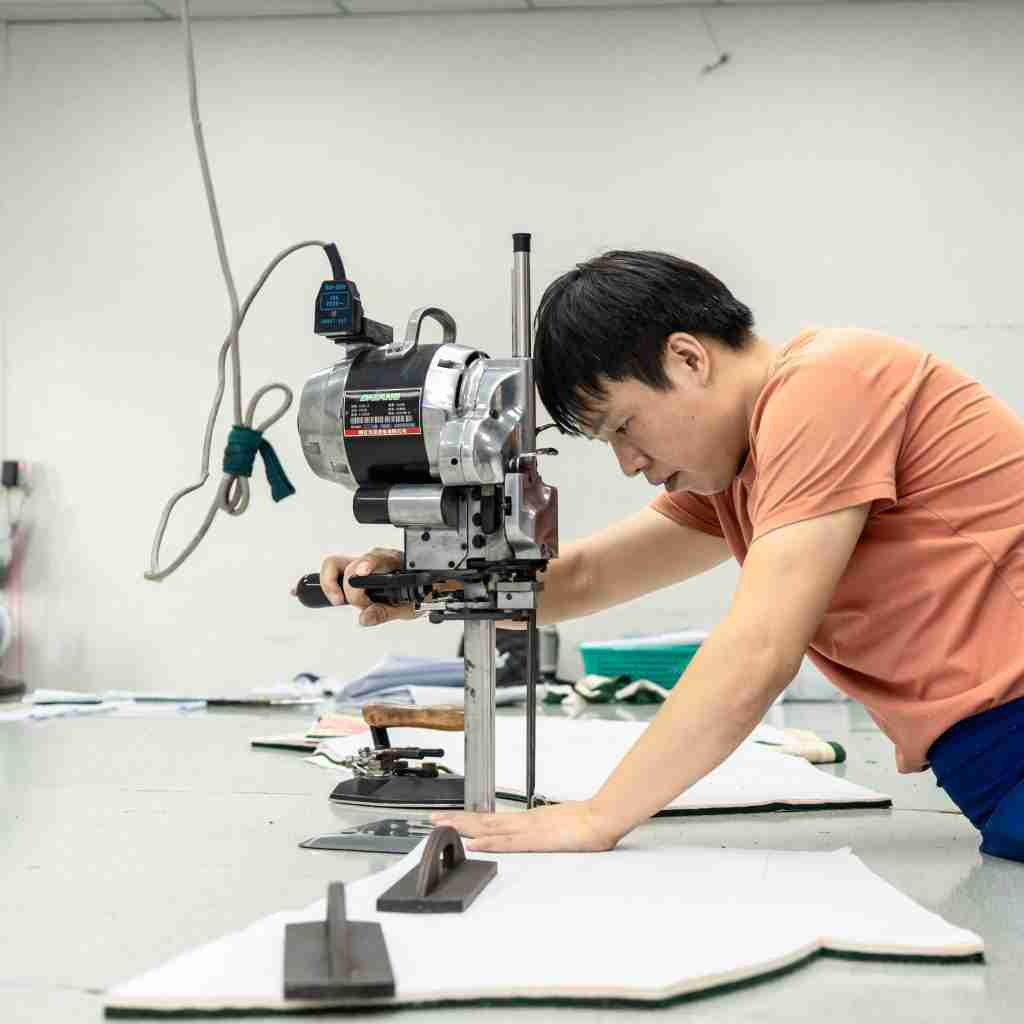
Finding the right custom streetwear manufacturer is one of the most important decisions for any fashion brand. Your manufacturer does not just make garments. The right partner helps turn your ideas, reference images, tech packs, fabrics, prints, labels, and packaging into products that your customers actually want to wear.
For streetwear brands, this matters even more. A hoodie is not just a hoodie. The fit, fabric weight, print placement, wash effect, embroidery quality, neckline shape, rib recovery, and packaging all affect how your brand is perceived.
Whether you are launching your first capsule collection or scaling an existing fashion label, this guide explains what to look for when choosing a custom streetwear manufacturer.
What Is a Custom Streetwear Manufacturer?
A custom streetwear manufacturer helps brands develop and produce garments based on their own designs, brand identity, and product requirements.
Unlike print-on-demand suppliers or blank apparel wholesalers, a custom manufacturer usually supports a wider production process, including:
- Fabric sourcing
- Pattern development
- Size grading
- Sample making
- Print and embroidery testing
- Custom labels
- Hangtags and packaging
- Bulk production
- Quality control
- International shipping support
This type of production is especially useful for brands that want unique fits, heavyweight fabrics, oversized silhouettes, private label details, or custom decoration methods such as puff print, screen printing, embroidery, applique, and garment washing.
Why Streetwear Brands Need More Than a Basic Clothing Supplier
Many new brands start by looking for the cheapest supplier. That is understandable, but streetwear production is detail-heavy. A low price does not mean much if the final garment has poor fit, weak stitching, cracking prints, thin fabric, or inconsistent sizing.
Streetwear customers often care about small details:
- Does the hoodie feel heavy enough?
- Is the oversized fit correct?
- Does the T-shirt neckline hold its shape?
- Does the puff print expand evenly?
- Is the embroidery clean?
- Does the wash effect look premium instead of random?
- Are the labels and packaging consistent with the brand image?
A good manufacturer should understand these details before bulk production begins. That is why sampling, fabric confirmation, print testing, and quality control are so important.
1. Check Whether the Manufacturer Understands Your Product Category
Not every apparel factory is suitable for streetwear. Some factories focus on basic uniforms, sportswear, underwear, formalwear, or mass-market blanks. Streetwear often requires a different approach.
Look for a manufacturer that can handle products such as:
- Oversized hoodies
- Heavyweight T-shirts
- Sweatpants
- Tracksuits
- Zip hoodies
- Washed T-shirts
- Graphic hoodies
- Jackets
- Cut-and-sew streetwear pieces
- Private label clothing collections
If your brand focuses on bold graphics, premium basics, vintage wash effects, or oversized silhouettes, your manufacturer should have experience with those product types.
For example, a heavyweight hoodie may require careful fabric selection, rib quality checking, hood shape adjustment, and print placement testing. A washed T-shirt may require shrinkage control, fabric testing, and consistent garment finishing.
2. Ask About MOQ Before You Start Development
MOQ, or minimum order quantity, is one of the first things every brand should confirm.
For growing brands and startups, low MOQ production can reduce inventory risk. Instead of producing thousands of pieces before testing the market, brands can start with smaller runs, test customer response, and scale gradually.
However, MOQ can vary depending on:
- Fabric availability
- Fabric color
- Custom dyeing
- Garment type
- Printing method
- Embroidery complexity
- Labels and trims
- Packaging requirements
- Number of sizes
- Number of colors
A good custom clothing manufacturer should explain what affects MOQ instead of giving one fixed number for every project.
For example, a simple black oversized T-shirt using available fabric may have a different MOQ from a custom-dyed hoodie with puff print, embroidery, woven labels, and custom packaging.
3. Review Fabric Options Carefully
Fabric is one of the biggest factors in streetwear quality. It affects the feel, weight, structure, price, and customer experience of the final product.
Common fabric options for streetwear include:
French Terry
French terry is often used for hoodies, sweatpants, and casualwear. It has a looped inner texture and can feel breathable while still providing structure.
Fleece
Fleece is commonly used for warmer hoodies and sweatshirts. It has a soft brushed inside and is suitable for cozy, heavier garments.
Heavyweight Cotton Jersey
Heavyweight cotton jersey is popular for premium T-shirts and oversized tees. It gives the garment a more structured hand feel and can support streetwear silhouettes well.
Cotton Blends
Cotton-polyester blends can improve durability, reduce shrinkage, or change the feel of the garment depending on the blend ratio.
Washed Fabrics
Washed fabrics are often used for vintage-style T-shirts, hoodies, and streetwear collections. Wash effects can create a faded, worn-in, or distressed look.
Before bulk production, always confirm fabric weight, hand feel, color, shrinkage, and compatibility with your printing or embroidery method.
4. Make Sure the Factory Can Support Your Customization Methods
Streetwear relies heavily on decoration techniques. Your logo, graphics, patches, embroidery, and wash effects are part of your brand identity.
Common customization methods include:
Screen Printing
Screen printing is widely used for bold graphics and larger production runs. It can create strong color coverage and works well on T-shirts and hoodies.
Puff Print
Puff print creates a raised effect, making graphics feel more dimensional. It is popular for streetwear hoodies and heavyweight tees, but it should be tested before bulk production because puff height and expansion can vary depending on fabric and artwork.
Embroidery
Embroidery gives a premium, textured look. It is suitable for logos, chest details, sleeve details, and branding elements.
Applique
Applique uses fabric pieces stitched onto garments. It can create a bold and premium streetwear effect, especially on hoodies, jackets, and sweatshirts.
Garment Washing
Washing can create vintage, faded, acid wash, pigment wash, or sun-faded effects. Because washing affects fabric color and shrinkage, sample testing is very important.
A reliable manufacturer should help you choose the right method based on artwork complexity, fabric, order quantity, budget, and desired brand image.
5. Confirm Whether They Offer Private Label Support
If you are building a real clothing brand, private label details are important. They make your products look complete and professional.
Private label apparel options may include:
- Neck labels
- Wash labels
- Size labels
- Woven labels
- Hangtags
- Barcode stickers
- Custom polybags
- Branded packaging
- Thank-you cards
- Size stickers
For early-stage brands, simple branding options such as neck labels, wash labels, hangtags, and custom polybags may be enough. More established brands may want a full packaging system with custom trims, barcodes, folding standards, and retail-ready packaging.
A good private label clothing manufacturer should help you choose branding details that fit your budget and production stage.
6. Sampling Is Not Optional
Sampling is one of the most important steps in custom apparel production.
A sample allows you to check:
- Fabric feel and weight
- Garment fit
- Size proportions
- Print quality
- Embroidery quality
- Label placement
- Wash effect
- Stitching
- Measurement tolerance
- Overall brand presentation
Do not rush into bulk production without reviewing a sample. Even if you have a tech pack, the first sample may still need adjustments.
For streetwear, sample review is especially important because fit and feel are difficult to judge from a digital mockup alone. An oversized hoodie, boxy T-shirt, or washed garment needs to be checked physically before production.
7. Understand the Production Timeline
Every brand should ask about the timeline before starting a project.
A typical custom apparel production process includes:
- Inquiry and project review
- Fabric and customization confirmation
- Sample development
- Sample review and adjustment
- Bulk production after approval
- Quality control
- Packing and shipping
Timelines can vary depending on product complexity, fabric availability, printing method, washing requirements, order quantity, and packaging details.
If you have a launch date, campaign date, trade show, or seasonal drop, tell your manufacturer early. The more information they have, the easier it is to suggest a practical production plan.
8. Check the Factory’s Quality Control Process
Quality control is not only about checking the final garment. It should happen throughout the production process.
Important QC points for streetwear include:
- Fabric inspection
- Color consistency
- Shrinkage control
- Cutting accuracy
- Stitching quality
- Measurement tolerance
- Print position
- Embroidery quality
- Label placement
- Washing effect consistency
- Final packing standards
For hoodies, QC should also check rib recovery, hood shape, drawcord quality, zipper quality, pocket placement, and seam strength.
For T-shirts, QC should check neckline shape, shoulder width, sleeve length, shrinkage, twisting, print hand feel, and overall garment shape after washing.
Before choosing a manufacturer, ask how they check quality before shipment.
9. Prepare the Right Information Before Requesting a Quote
To get a faster and more accurate quotation, prepare as much information as possible.
You should send:
- Product type
- Reference images
- Tech pack, if available
- Logo files
- Artwork files
- Fabric preference
- GSM or fabric weight
- Size range
- Quantity per style
- Number of colors
- Customization method
- Label and packaging requirements
- Shipping country
- Target sample deadline
- Target launch date
If you do not have a full tech pack, you can still start with reference photos, sketches, mockups, or a sample garment. A good manufacturer can help you organize the next steps.
10. Choose a Manufacturer That Can Grow With Your Brand
The best manufacturer for your brand is not always the biggest factory or the cheapest supplier. The right partner should match your current stage and support your future growth.
For a new brand, that may mean low MOQ, flexible development, clear communication, and sampling support.
For a growing brand, that may mean stronger quality control, more fabric options, better packaging, repeat production, and faster coordination.
For an established brand, that may mean consistent bulk production, private label systems, multiple product categories, and reliable shipping support.
A strong custom streetwear manufacturer should be able to help you move from idea to sample, from sample to bulk production, and from first collection to repeat orders.
Work With Eking Clothing
Eking Clothing is a custom apparel manufacturer in China supporting streetwear and casual fashion brands with product development, sampling, private label details, bulk production, and worldwide shipping.
We help brands develop custom hoodies, custom T-shirts, sweatpants, jackets, tracksuits, washed garments, and private label collections. Our production support includes fabric sourcing, pattern development, printing, embroidery, applique, washing, custom labels, packaging, quality control, and shipping coordination.
Whether you already have a tech pack or only have reference images, our team can help you confirm fabric, fit, customization method, MOQ, sample development, and bulk production details.
Ready to develop your custom streetwear collection?
Send your tech pack, mockup, reference images, or sample details. Our team will help confirm fabric, fit, customization method, MOQ, sampling timeline, and bulk production plan.
FAQ
What is a custom streetwear manufacturer?
A custom streetwear manufacturer helps clothing brands develop and produce garments such as hoodies, T-shirts, sweatpants, jackets, tracksuits, and private label apparel based on their own designs, fabrics, fits, labels, and packaging requirements.
What is the MOQ for custom streetwear production?
MOQ depends on the product type, fabric, color, customization method, labels, and packaging. For many streetwear products such as hoodies and T-shirts, MOQ may start from lower brand-level quantities, but it should always be confirmed based on the actual project.
Can I start without a tech pack?
Yes. You can start with reference images, sketches, mockups, logo files, or sample garments. A tech pack is helpful, but it is not always required at the first inquiry stage.
What products can Eking Clothing manufacture?
Eking Clothing supports custom hoodies, T-shirts, sweatpants, jackets, streetwear sets, private label garments, washed apparel, and other casual fashion products for brands.
Can I add my own labels and packaging?
Yes. Private label options can include neck labels, wash labels, hangtags, barcodes, custom polybags, packaging, and other brand details.
How long does custom clothing sampling take?
Sampling time depends on fabric, product complexity, printing, embroidery, washing, and label requirements. A typical sample timeline should be confirmed after reviewing your design and production details.
What should I send to get a quote?
Send your product type, quantity, reference images, tech pack if available, fabric preference, logo files, customization method, label and packaging requirements, shipping country, and timeline.

