Streetwear quality control is one of the most important parts of custom apparel production. For fashion brands, consistent quality in fabric, fit, prints, stitching and packaging directly affects customer experience and brand reputation.
How Custom Streetwear Is Checked Before Shipment
In this guide, we explain our streetwear quality control process for custom hoodies, T-shirts and fashion apparel, covering fabric checks, measurements, prints, stitching, labels and packaging.
If quality is not checked carefully, even small issues can affect the final product:
- Incorrect measurements can ruin the intended fit
- Off-center prints can damage the design look
- Uneven wash effects can make garments inconsistent
- Loose threads and poor stitching reduce perceived quality
- Wrong labels or packaging can hurt brand presentation
That is why quality control should be treated as part of brand building, not just final checking.
Our Streetwear QC Process
1. Fabric and Appearance Inspection
The first step is checking the fabric and garment appearance. For streetwear products, this is especially important because customers often care about hand feel, weight, drape and texture as much as the graphic design.
Our QC team checks:
- Fabric surface for holes, stains, yarn issues or visible defects
- Color consistency between garments
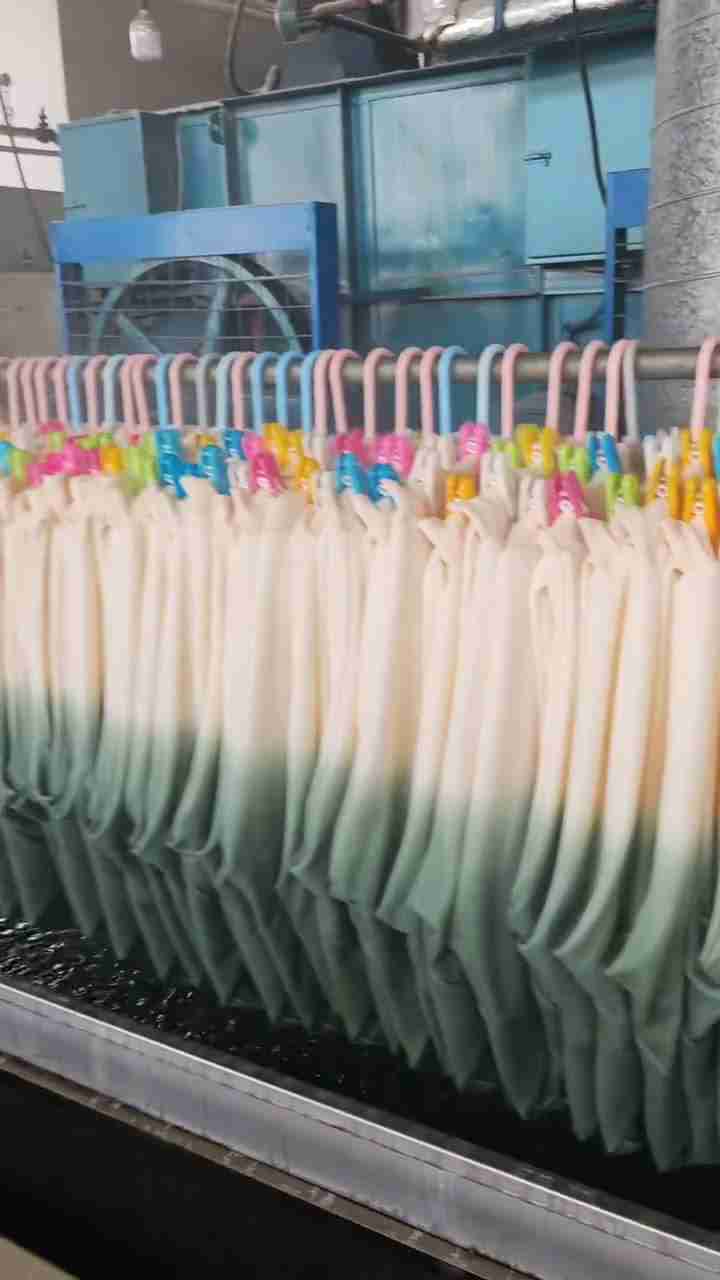
- Wash effects such as vintage wash, acid wash or faded wash
- Fabric hand feel and overall appearance
- Print surface quality and color consistency
Independent apparel inspection providers also list fabric condition, print quality, hand feel and visible defects among standard garment inspection items.
In custom apparel production, streetwear quality control helps reduce defects and improve consistency before shipment.

2. Measurement Check Against the Spec Sheet
For custom hoodies, T-shirts, sweatshirts and pants, measurement control is critical. Even a good-looking garment can fail if the sizing does not match the approved specification.
We measure key points such as:
- Chest width
- Body length
- Shoulder width
- Sleeve length
- Bottom opening
- Waist and outseam for pants
Each measurement is compared with the approved size chart and tolerance. Measurement checks and symmetry checks are standard parts of apparel inspections.

3. Print, Embroidery and Trim Inspection
Streetwear garments often depend on graphic details. This means the decoration quality must be checked carefully before packing.
We inspect:
- Print placement and alignment
- Puff print thickness and edge cleanliness
- Screen print coverage and sharpness
- Embroidery density and neatness
- Patch attachment and positioning
- Zippers, drawcords, eyelets, buttons and other trims
Garment inspections commonly include checks for embellishments, attachments, labeling and print quality.

4. Stitching and Workmanship Check
Clean construction is one of the clearest signs of garment quality. Our QC team checks key sewing areas to make sure the product is ready for retail.
We review:
- Neckline construction
- Shoulder seams
- Armholes
- Side seams
- Hem finishing
- Rib attachment
- Pocket alignment
- Loose threads, skipped stitches or seam opening
Workmanship assessment is a core part of textile and apparel inspection and typically includes stitching, construction and decorative details.

5. Label and Branding Verification
For fashion brands, labels are not a small detail. They are part of the customer experience and must match the approved branding.
We verify:
- Main label
- Size label
- Care label
- Hangtag
- Barcode sticker
- Placement and attachment method
Industry inspection guidance also includes garment labeling checks to confirm that required information is correct and attached in the right location.
A strong streetwear quality control process also helps brands maintain fit, print placement and packaging standards.

6. Cleaning, Finishing and Final Visual Review
Before packing, each garment should look clean and retail-ready. Our team checks:
- Stains, marks or oil spots
- Untrimmed threads
- Pressing quality
- Wrinkles affecting appearance
- Overall presentation
This final review helps ensure that the garment not only passes inspection, but also looks premium when your customer opens the package.

7. Packaging Inspection
Packaging is the last step, but it matters a lot for clothing brands. Wrong stickers, mixed sizes or incorrect folding can create unnecessary claims and customer complaints.
We inspect:
- Polybag quality and size
- Size stickers
- Fold consistency
- Assortment ratio
- Carton markings
- Quantity per carton
- Branded packaging details if required
Packaging and assortment checks are standard parts of garment QC programs.
For growing fashion brands, reliable streetwear quality control is essential for long-term customer satisfaction.

Do We Use AQL Inspection?
For bulk orders, many apparel inspections rely on AQL, or Acceptable Quality Limit, which uses random sampling to determine whether the number of defects found in a sample is within an agreed threshold. Industry references commonly note that critical defects are generally unacceptable and often set at AQL 0.
In practice, AQL helps brands and factories make quality decisions based on standardized sampling rather than checking every piece one by one. The exact standard should always depend on the product type, risk level and customer requirements.
What Streetwear Brands Should Ask During QC
If you are developing custom streetwear, these are some smart questions to ask your manufacturer:
- Does the bulk fit match the approved sample?
- Are wash effects consistent from piece to piece?
- Is the print position the same across all sizes?
- Are labels and packaging customized correctly?
- What measurement tolerance is allowed?
- Is there a final inspection report before shipment?
A reliable factory should be able to show not only the finished product, but also the QC logic behind it.
Our Focus: Quality That Protects Your Brand
At Eking Clothing, we understand that custom streetwear is detail-driven. A good product is not only about sewing a garment. It is about delivering the correct fit, the right finish, the right branding details and the consistency your customers expect.
From fabric inspection to measurement checks, print review, workmanship control and packaging verification, our QC process is designed to support fashion brands that care about quality, consistency and long-term growth.
If you are looking for a custom streetwear manufacturer, a strong quality control process is one of the best indicators of whether your supplier can support your brand professionally.
Need a Reliable Custom Streetwear Manufacturer?
We help brands develop and produce custom hoodies, T-shirts, washed garments, sweatshirts and casual fashion apparel with a focus on quality, detail and consistency.
Contact us to discuss your next project.
Detailed Checks for Your QC Record
Use the guide that matches the issue being reviewed, and keep the agreed method and approval record with the order specification.
- For finished dimensions, use the garment measurement tolerance guide to document the specification and permitted variation.
- For changes after washing, follow the fabric and garment shrinkage testing guide and retain before-and-after measurements.
- For colour change and staining, review the colorfastness testing guide before agreeing test methods and acceptance criteria.
- For decorated garments, use the screen-printing QC checklist to record placement, appearance and sample checks.
- Before dispatch, reconcile quantities using the apparel packing list and carton checklist.